
Josef Hartwig a jeho Bauhaus Schachspiel
Josef Hartwig a jeho Bauhaus Schachspiel
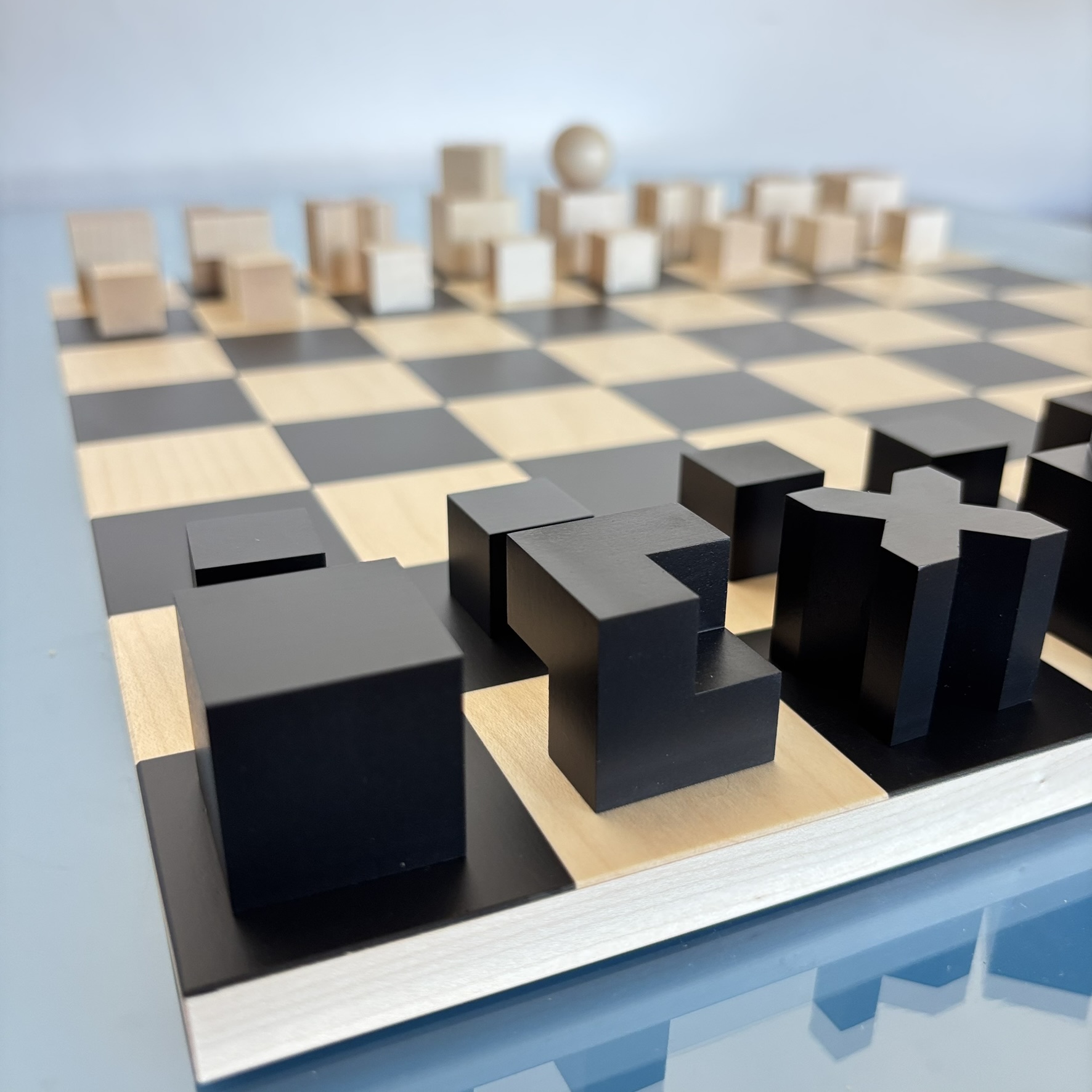
Bauhaus-Schachspiel (Bauhaus šachy) patří mezi nejikoničtější designové objekty 20. století. Tento soubor šachových figurek navrhl v roce 1923 Josef Hartwig během svého působení na škole Bauhaus ve Výmaru.
Například:
- Věž je jednoduchý krychlý blok, protože se pohybuje pouze přímo.
- Střelec obsahuje diagonální prvky, které odkazují na jeho diagonální pohyb.
- Jezdec má charakteristický tvar připomínající písmeno L, tedy trajektorii jeho tahu.
- Král kombinuje svislé, vodorovné i diagonální směry pohybu.
Význam pro design
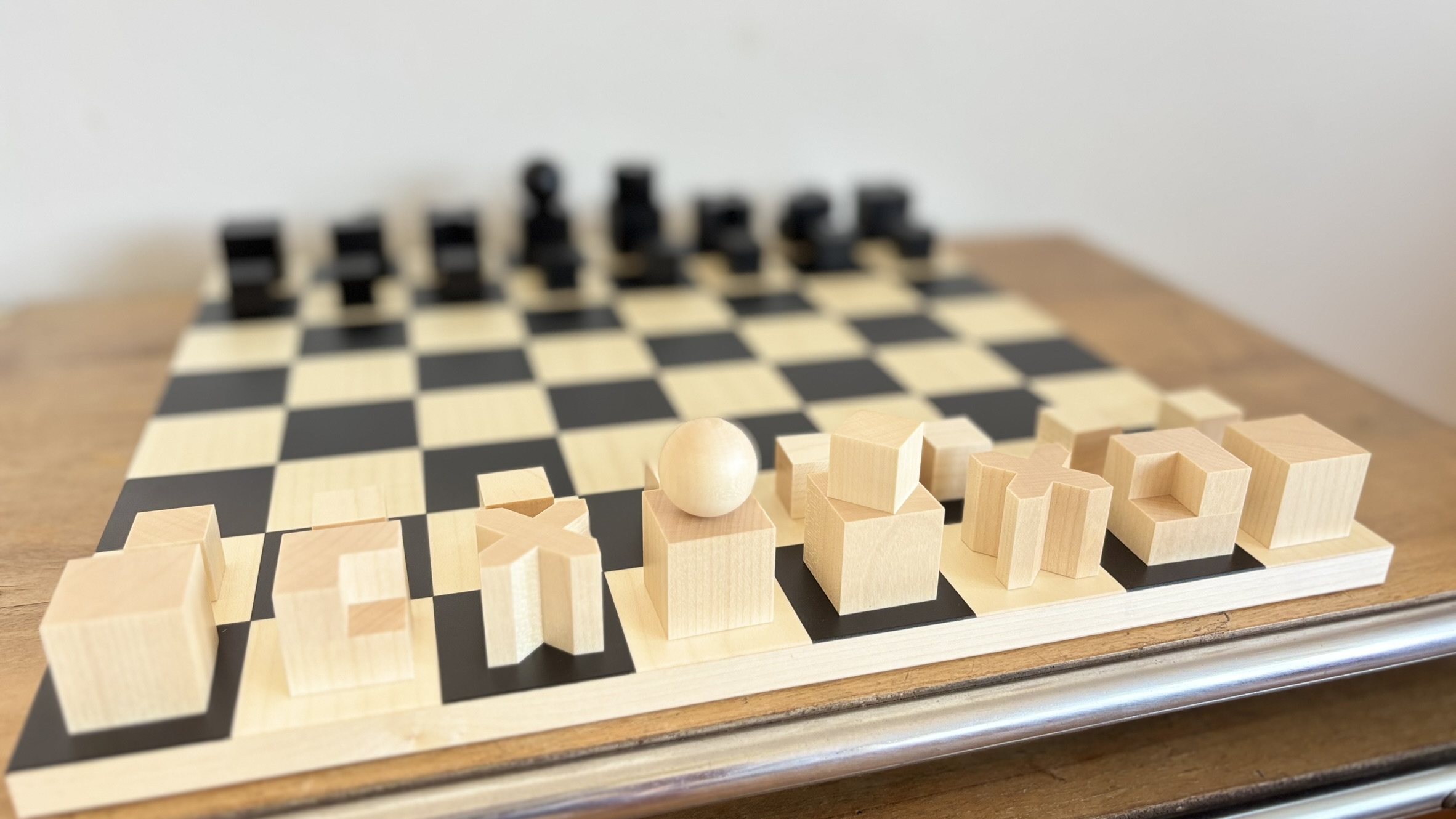
Hartwigovy šachy nejsou pouze herní pomůckou. Jsou manifestem Bauhausu:- minimalismus,
- geometrická čistota,
- funkčnost před ornamentem,
- spojení umění, řemesla a průmyslového designu.
Na rozdíl od tradičních šachových figurek, které vycházejí z historických a vojenských symbolů, Hartwig vytvořil figurky, jejichž význam je pochopitelný i bez znalosti historie. Každý tvar přímo komunikuje svou funkci. Šachová souprava se tak stala nadčasovým příkladem toho, jak lze složitý systém vyjádřit pomocí jednoduchých geometrických forem.
eng.:
Josef Hartwig and His Bauhaus Schachspiel
The Bauhaus Schachspiel (Bauhaus Chess Set) is considered one of the most iconic design objects of the 20th century. This remarkable set of chess pieces was designed in 1923 by Josef Hartwig during his time at the Bauhaus School in Weimar.
The Designer
Josef Hartwig (1880–1956) was a German sculptor and designer. From 1921 to 1925, he headed the Sculpture Workshop at the Bauhaus, having been invited by the school's founder, Walter Gropius. It was here that Hartwig created his most celebrated work: a chess set that would become a symbol of functionalist design.Hartwig set out to eliminate all unnecessary ornamentation and reduce each chess piece to its most essential geometric form. His guiding principle was simple.The shape of each piece should express the way it moves across the chessboard.
For example:
- The rook is represented by a simple cube-like block, reflecting its straight-line movement.
- The bishop incorporates diagonal elements that symbolize its diagonal movement.
- The knight features a distinctive L-shaped form corresponding to the trajectory of its move.
- The king combines vertical, horizontal, and diagonal elements, reflecting its ability to move in all directions.
Through this approach, Hartwig created one of the purest expressions of the Bauhaus principle of “form follows function.”
Significance for Design
Hartwig's chess set is far more than a game. It is a manifesto of Bauhaus ideals:- Minimalism
- Geometric purity
- Functionality over ornament
- The integration of art, craftsmanship, and industrial design
A Timeless Design Classic
Unlike traditional chess pieces, which are rooted in historical and military symbolism, Hartwig created forms whose meaning can be understood without any knowledge of history. Each piece communicates its function directly through its geometry.As a result, the Bauhaus Chess Set has become a timeless example of how a complex system can be expressed through simple, rational forms. Nearly a century after its creation, it remains a celebrated masterpiece of modern design and a powerful demonstration of the Bauhaus vision.